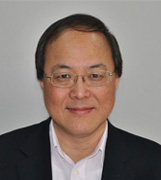
Prof. Kin K. Leung
IEEE Fellow, IET Fellow
Imperial College, London
Kin K. Leung received his B.S. degree from the Chinese University of Hong Kong, and his M.S. and Ph.D. degrees from University of California, Los Angeles. He joined AT&T Bell Labs in New Jersey in 1986 and worked at its successor companies until 2004. Since then, he has been the Tanaka Chair Professor in the Electrical and Electronic Engineering (EEE), and Computing Departments at Imperial College in London. He serves as the Head of Communications and Signal Processing Group in the EEE Department at Imperial. His current research focuses on optimization and machine-learning techniques for system design and control of large-scale communications, computer and sensor networks. He also works on multi-antenna and cross-layer designs for wireless networks.
He is a Fellow of the Royal Academy of Engineering (2022), IEEE Fellow (2001), IET Fellow (2022), and member of Academia Europaea (2012). He received the Distinguished Member of Technical Staff Award from AT&T Bell Labs (1994) and the Royal Society Wolfson Research Merits Award (2004-09). Jointly with his collaborators, he received the IEEE Communications Society (ComSoc) Leonard G. Abraham Prize (2021), the IEEE ComSoc Best Survey Paper Award (2022), the U.S.–UK Science and Technology Stocktake Award (2021), the Lanchester Prize Honorable Mention Award (1997), and several best conference paper awards. He currently serves as the IEEE ComSoc Distinguished Lecturer (2022-23). He was a member (2009-11) and the chairman (2012-15) of the IEEE Fellow Evaluation Committee for the ComSoc. He has served as guest editor and editor for 10 IEEE and ACM journals and chaired the Steering Committee for the IEEE Transactions on Mobile Computing. Currently, he is an editor for the ACM Computing Survey and International Journal on Sensor Networks.
Title: Machine Learning for Optimal Resource Allocationin Communications Networks
Abstract: Optimization techniques are widely used to allocate and share limited resources to competing demands in communication networks. The speaker will start by showing the well-known Transport Control Protocol (TCP) on the Internet as a distributed solution to achieve the optimal allocation of network bandwidth. Unfortunately, factors such as multiple grades of service quality, variable transmission power, and tradeoffs between communication and computation often make the optimization problem for resource allocation non-convex. New distributed solution techniques are needed to solve these problems.
Gradient-based iterative algorithms are commonly used to solve these optimization problems. Much research focuses on improving the iteration convergence. However, when the system parameters change, it requires a new solution from the iterative methods. The speaker will present a new machine-learning method by using two Coupled Long Short-Term Memory (CLSTM) networks to quickly and robustly produce the optimal or near-optimal solutions to constrained optimization problems over a range of system parameters. Numerical examples for allocation of network resources will be presented to confirm the validity of the proposed method.
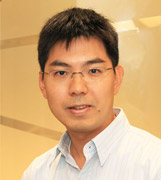
Dr. Yik-Chung Wu
IEEE Senior Member
The University of Hong Kong (HKU), China
Yik-Chung Wu received the B.Eng. (EEE) degree in 1998 and the M.Phil. degree in 2001 from the University of Hong Kong (HKU). He received the Croucher Foundation scholarship in 2002 to study Ph.D. degree at Texas A&M University, College Station, and graduated in 2005. From August 2005 to August 2006, he was with the Thomson Corporate Research, Princeton, NJ, as a Member of Technical Staff. Since September 2006, he has been with HKU, currently as an Associate Professor. He was a visiting scholar at Princeton University, in summers of 2015 and 2017. His research interests are in general areas of signal processing and communication systems , and in particular Bayesian inference, distributed algorithms, and large-scale optimization. Dr. Wu served as an Editor for IEEE Communications Letters, and IEEE Transactions on Communications. He is currently a Senior Area Editor for IEEE Transactions on Signal Processing, an Associate Editor for IEEE Wireless Communications Letters, and an Editor for Journal of Communications and Networks. He was a TPC member for over 100 IEEE major conferences. He received four best paper awards in international conferences, with the most recent one from IEEE International Conference on Communications (ICC) 2020. He is a senior member of the IEEE.
Title: Parameter tuning-free matrix completion: A Bayesian approach
Abstract: Matrix completion is an important data analytic tool in many applications, such as recommendation systems and image completion. Traditionally, matrix completion is approached from optimization perspective. While proven to be effective, optimization-based matrix completion usually involve hyperparameters tuning, with one of the major hyperparameters being the matrix rank. However, when the number of hyperparameters is more than 3 or 4, tuning them becomes computationally expensive. This talk approaches the problem from the Bayesian perspective and shows how hyperparameter tuning can be eliminated while providing comparable or even better performance than corresponding optimization-based algorithms.
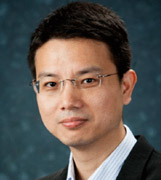
Prof. Xiaojun Yuan
IEEE Senior Member
University of Electronic Science and Technology of China, China
Xiaojun Yuan (Senior Member, IEEE) received the Ph.D. degree in electrical engineering from the City University of Hong Kong, Hong Kong, in 2009. From 2009 to 2011, he was a Research Fellow with the Department of Electronic Engineering, the City University of Hong Kong. He was also a Visiting Scholar with the Department of Electrical Engineering, the University of Hawaii at Manoa, Honolulu, HI, USA, in spring and summer 2009, and in the same period of 2010. From 2011 to 2014, he was a Research Assistant Professor with the Institute of Network Coding, The Chinese University of Hong Kong. From 2014 to 2017, he was an Assistant Professor with the School of Information Science and Technology, ShanghaiTech University, Shanghai, China. He is currently a state-specially-recruited Professor with the University of Electronic Science and Technology of China, Chengdu, China. He has authored or coauthored more than 220 peer-reviewed research papers in the leading international journals and conferences in the related areas. His research interests include signal processing, machine learning, and wireless communications, including but not limited to intelligent communications, structured signal reconstruction, Bayesian approximate inference, and distributed learning. He was on several technical programs for international conferences. He was the Editor of IEEE leading journals, including IEEE Transactions on Wireless Communications and IEEE Transactions on Communications. He was the co-recipient of the Best Paper Award of IEEE International Conference on Communications (ICC) 2014, the Best Journal Paper Award of IEEE Technical Committee on Green Communications and Computing (TCGCC) 2017, and IEEE Heinrich Hertz Award for Best Communication Letter 2022.
Title: Reconfigurable Intelligent Surface Aided MIMO Communications: Challenges and Opportunities
Abstract: Reconfigurable intelligent surface (RIS) is regarded as one of the candidate technologies to enable next-generation wireless communications (6G). A RIS is made of a large number of low-cost reconfigurable elements, a.k.a. meta-atoms or unit cells, that are able to control how incident electromagnetic (EM) waves are reflected. The unit cells of a RIS can be designed to cooperatively achieve specific purposes, such as scattering the impinging waves, absorbing the impinging waves, and focusing the reflected wave to certain directions. In this talk, we introduce the channel modeling, optimization, and capacity analysis of RIS-assisted MIMO systems. First of all, we propose a partition-based passive beamforming method to reduce the number of variables to be optimized, thereby reducing computational overhead. Then, we propose a near-field RIS-assisted MIMO channel model based on the spherical-wave assumption. Based on the established channel model, we study the spatial multiplexing capability of the cascaded line-of-sight MIMO channel, and analyze the capacity of the system by jointly optimizing the active and passive beamforming, and the transceiver array orientations.
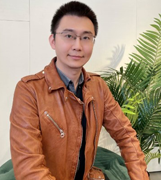
Assoc. Prof. Yuanwei Liu
IEEE Senior Member, Web of Science Highly Cited Researcher
Queen Mary University of London, London, UK
Yuanwei Liu is an Associate Professor with the School of Electronic Engineering and Computer Science, Queen Mary University of London. His research interests include next generation multiple access, integrated sensing and communications reconfigurable intelligent surface, and near-field communications. His research attract over 20,000 Google Scholar citations. He is listed as one of 35 Innovators Under 35 China in 2022 by MIT Technology Review and a Web of Science Highly Cited Researcher since 2021. He serves as an IEEE Communication Society Distinguished Lecturer, an IEEE Vehicular Technology Society Distinguished Lecturer, the academic Chair for the Next Generation Multiple Access Emerging Technology Initiative, the rapporteur of ETSI Industry Specification Group on Reconfigurable Intelligent Surfaces, and the UK representative for the URSI Commission C on Radio communication Systems and Signal Processing. He received IEEE ComSoc Outstanding Young Researcher Award for EMEA in 2020. He received the 2020 IEEE Signal Processing and Computing for Communications (SPCC) Technical Committee Early Achievement Award, IEEE Communication Theory Technical Committee (CTTC) 2021 Early Achievement Award. He received IEEE ComSoc Outstanding Nominee for Best Young Professionals Award in 2021. He is the co-recipient of the Best Student Paper Award in IEEE VTC2022-Fall, the Best Paper Award in ISWCS 2022, the 2022 IEEE SPCC-TC Best Paper Award and the IEEE ICCT 2023 Best Paper Award. He serves as the Co-Editor-in-Chief of IEEE ComSoc TC Newsletter, an Area Editor of IEEE Communications Letters, an Editor of IEEE Communications Surveys & Tutorials, IEEE Transactions on Wireless Communications, IEEE Transactions on Vehicular Technology, and IEEE Transactions on Network Science and Engineering. He serves as the (leading) Guest Editors for Proceedings of the IEEE/IEEE JSAC/JSTSP/Network/TGCN.
Title: Near-Field Communications: What Will Be Different?
Abstract: In this talk, the design dilemma of "What will be different between near-field communications (NFC) and far-field communications (FFC)?" is discussed from four perspectives. (1) From the channel modelling perspective, the differences between near-field and far-field channel models are discussed. (2) From the performance analysis perspective, analytical results for characterizing the degrees of freedom and the power scaling laws in the near-field region are provided. (3) From the beamforming perspective, the features of far-field beamsteering and near-field beamfocusing are compared. A couple of new beamforming structures for NFC are also introduced. (4) From the application perspective, several new designs are discussed in the context of promising next-generation technologies in NFC. Finally, research opportunities and problem are discussed.
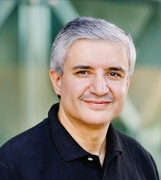
Prof. Mohamed-Slim Alouini
IEEE Fellow
King Abdullah University of Science and Technology (KAUST), Saudi Arabia
Mohamed-Slim Alouini was born in Tunis, Tunisia. He received the Ph.D. degree in Electrical Engineering from the California Institute of Technology (Caltech) in 1998. He served as a faculty member at the University of Minnesota then in the Texas A&M University at Qatar before joining in 2009 the King Abdullah University of Science and Technology (KAUST) where he is now a Distinguished Professor of Electrical and Computer Engineering. Prof. Alouini is a Fellow of the IEEE and OPTICA (Formerly the Optical Society of America (OSA)). He is currently particularly interested in addressing the technical challenges associated with the uneven distribution, access to, and use of information and communication technologies in rural, low-income, disaster, and/or hard-to-reach areas.
Title: Towards Extreme Band Communications
Abstract: A rapid increase in the use of wireless services over the last few decades has led to the problem of radio-frequency (RF) spectrum exhaustion. More specifically, due to this RF spectrum scarcity, additional RF bandwidth allocation, as utilized in the recent past over "traditional bands", is not anymore enough to fulfill the demand for more wireless applications and higher data rates. The talk goes first over the potential offered by extreme band communication (XB-Com) systems to relieve spectrum scarcity. Indeed, mm-wave, THz, and free space optics broadband wireless systems recently attracted several research interests worldwide due to the progress in electronics and photonics technologies. By utilizing these extreme frequency bands and employing extreme large bandwidths, the 6G target data rates over 100 Gbps could be achieved. The talk then summarizes some of the challenges that need to be surpassed before such kinds of systems can be deployed. For instance, it explains how the THz transmission band has immunity against the fog compared with the optical one, while being affected by the rain as it is the case for the mm-wave band. In addition, the role of ultra-massive multiple-input multiple-output (UM-MIMO) systems and reconfigurable intelligent surfaces in overcoming the distance problem at very high frequencies will be discussed. Finally, the talk offers an overview of some recent studies illustrating how these different XB-Com technologies can collaborate to increase emerging and future networks' reliability and coverage while maintaining their high capacity.
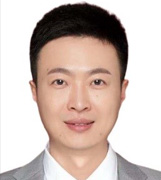
Prof. Yang Yue
SPIE Fellow, IEEE Senior Member and Optica Senior Member
Xi'an Jiaotong University, China
Yang Yue received the B.S. and M.S. degrees in electrical engineering and optics from Nankai University, China, in 2004 and 2007, respectively. He received the Ph.D. degree in electrical engineering from the University of Southern California, USA, in 2012. He is a Professor with the School of Information and Communications Engineering, Xi'an Jiaotong University, China. Dr. Yue’s current research interest is intelligent photonics, including optical communications, optical perception, and optical chip. He has published over 260 journal papers (including Science) and conference proceedings with >10,000 citations, six edited books, two book chapters, >60 issued or pending patents, >200 invited presentations (including 1 tutorial, >30 plenary and >50 keynote talks). Dr. Yue is a Fellow of SPIE, a Senior Member of IEEE and Optica. He is an Associate Editor for IEEE Access and Frontiers in Physics, Editor Board Member for four other scientific journals, Guest Editor for >10 journal special issues. He also served as Chair or Committee Member for >100 international conferences, Reviewer for >70 prestigious journals.
Title: Machine-Learning-based Multiparameter Performance Monitoring for Optical Communications Channels
Abstract: In recent years, machine learning has come to the forefront as a promising technology to aid in multiparameter performance monitoring for optical communications channels. In this talk, we will introduce CNN-based techniques to effectively monitor multiple system performance parameters of optical channels using eye diagram measurements. Experimental results demonstrate this method achieves a prediction accuracy >98% when tasked with identifying the modulation format (QPSK, 8-QAM, or 16-QAM), as well as the optical signal-to-noise ratio (OSNR), roll-off factor (ROF), and timing skew for 32 GBd coherent channels. For PAM-based intensity-modulation direct detection (IMDD) channel eye-diagram-based CNN method maintain >97% identification accuracy for 432 classes under different combinations of probabilistic shaping (PS), ROF, baud rate, OSNR, and chromatic dispersion (CD) by each modulation format. Furthermore, we undertake on an extensive comparison of ResNet-18, MobileNetV3 and EfficientNetV2. Our designed VGG-based model of reduced layers, alongside the lightweight MobileNetV3, demonstrates enhanced cost-effectiveness while maintaining high accuracy.
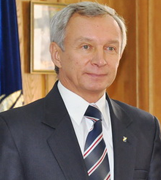
Prof. Academician Sergey V. Ablameyko
IEEE Senior Member, Fellows of IEE, IAPR, NAS, BEA, IAIPT, AE, SRAD and AAIA
Belarusian State University, Belarus
Sergey Ablameyko (born in 1956, DipMath in 1978, PhD in 1984, DSc in 1990, Prof in 1992). He was a Rector (President) of the Belarusian State University (2008-2017) and now he is a Professor of BSU.
He has more than 650 publications including 25 authored/co-authored books and 25 edited books. In his academic career he was a visiting scientist in Italy, Japan, Sweden, Finland, England, Germany, UK, Greece, Spain, Australia, New Zealand, China.
He was a chair/co-chair, member of Program Committees of numerous international conferences. He is in Editorial board of many international journals. His scientific interests are: artificial intelligence, computer vision, knowledge based systems, geographical information systems, medical imaging.
He is an Academician of the National Academy of Sciences of Belarus, Academician of Belarusian Academy of Engineering, Academician of Academy of Europe, Academician of Spanish Royal Academy of Doctors, Academician of European Academy of Economy and Enterprise Management, Academician of Russian Academy of Natural Sciences and Russian Space Academy, Academician of Spanish Royal Academy of Economics and Finance, Honorary professor of universities in China, Russia, Vietnam, Serbia, Belarus. He is a Fellow and Vice-President of Asia-Pacific Artificial Intelligence Association, Fellow of International Association for Pattern Recognition, Fellow of IEE (1995). For his activity he was awarded by State Prize of Belarus (highest national scientific award), Friendship Award of Russian Federation, Friendship Award of Zhejiang Province of China and many other national and international awards.
Title: Crowd behavior analysis in video by using optical flow and CNN
Abstract: Crowd behavior analysis is an important task in many applications. In this talk, a new approach for crowd behavior analysis in video by combining CNN and integral optical flow is described. At first, definitions of crowd motion are given, along with motion parameters that can be used to perform crowd analysis. Secondly, crowd motion features and parameters are defined. Thirdly, an algorithm of crowd behavior analysis using CNN and integral optical flow is proposed. Experimental results show that, with the help of CNN, optical flow can be calculated more accurately and quickly, and by using integral optical flow, the algorithm demonstrates stronger robustness to noise and the ability to get more accurate results of moving objects.
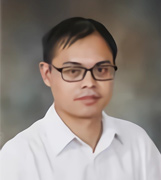
Prof. Chengnian Long
IEEE Senior Member
Shanghai Jiao Tong University, China
Chengnian Long is a tenured professor of Department of Automation, School of Electronic Information and Electrical Engineering, Shanghai Jiao Tong University. He is Deputy Director at Blockchain Research Center, Shanghai Jiao Tong University and adjunct professor at Intelligent Connected Electric Vehicle Innovation Center, Shanghai Jiao Tong University. His research interest mainly focuses on the Intelligent Connected Systems(ICS), including Artificial Intelligence of Things (AIoT), Blockchain, and Distributed Autonomous System. He was the Editor of IEEE Transactions on Intelligent Transportation Systems, IEEE Blockchain Technical Briefs and IET Blockchain. He is a senior member ofthe IEEE.
Title: Trustworthy Privacy-Preserving Computation for the Circulation of Data Factor Market
Abstract: As a core production factor, data plays a crucial role in the future development of the economy and society. Especially in December 2022, the "Opinions of the Central Committee of the Communist Party of China and the State Council on Building a Data Base System to Better Play the Role of Data Factors" was formally introduced, marking that China's data factor market has entered the stage of exploration and development in an orderly and standardized manner.
Privacy-preserving computation is an important technical foundation to support the secure flow of data, in which secure multi-party computing (MPC) enhances the ability of big data security sharing services by combining cryptographic techniques such as oblivious transmission, secret sharing, and homomorphic encryption to realize the data "usable but not visible". It is foreseeable that a data network circulation and collaboration mode centered on "cipher computing and cipher interaction" will be formed in the future. However, the ciphered collaboration model poses new challenges to the construction of multi-party mutual trust, such as the trustworthiness of multi-party data sources (identity), the consistency of data inputs, and the validation of the correctness of the computation results. Therefore, there is a critical requirement for in-depth research on the theory and key technology system of trustworthy privacy-preserving computation on the basis of protecting data privacy, so as to support the data to be "usable but not visible" and "usable and controllable".
In this talk, we will explore the enhancement of privacy-preserving computation trustworthiness through the deep integration of blockchain and secure multi-party computing. Firstly, we analyze the demand for trustworthiness of secure multi-party computation through the case of joint financial risk control, and then we specifically introduce how to realize cross-platform trustworthy authentication of participant identities based on blockchain, and further realize multi-party privacy set intersection. In order to transparently track and audit the whole distributed computing process, zero-knowledge verification of computing effectiveness is realized by combining smart contract technology, and corresponding experimental verification results are given to illustrate the efficiency, feasibility and scalability of the proposed scheme.
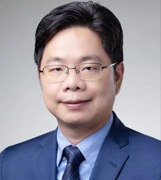
Prof. Tieyong Zeng
The Chinese University of Hong Kong (CUHK), Hong Kong, China
Dr. Tieyong Zeng is a Professor at the Department of Mathematics, The Chinese University of Hong Kong (CUHK). Together with colleagues, he has founded the Center for Mathematical Artificial Intelligence (CMAI) since 2020 and served as the director of CMAI. He received the B.S. degree from Peking University, Beijing, China, the M.S. degree from Ecole Polytechnique, Palaiseau, France, and the Ph.D. degree from the University of Paris XIII, Paris, France, in 2000, 2004, and 2007, respectively. His research interests include image processing, optimization, artificial intelligence, scientific computing, computer vision, machine learning, and inverse problems. He has published around 100 papers in the prestigious journals such as SIAM Journal on Imaging Sciences, SIAM Journal on Scientific Computing, Journal of Scientific Computing, IEEE Transactions on Pattern Analysis and Machine Intelligence (TPAMI), International Journal of Computer Vision (IJCV), IEEE Transactions on Neural Networks and Learning Systems (TNNLS), IEEE Transactions on Image Processing (TIP), IEEE Medical Imaging (TMI), and Pattern Recognition. He is laureate of the 2021 Hong Kong Mathematical Society (HKMS) Young Scholars Award, due to the significant contributions in mathematical imaging and data science.
Title: Real-Time Scene Recovery
Abstract: Scene recovery is a fundamental imaging task with several practical applications, including video surveillance and autonomous vehicles, etc. In this talk, we provide a new real-time scene recovery framework to restore degraded images under different weather/imaging conditions, such as underwater, sand dust and haze. A degraded image can actually be seen as a superimposition of a clear image with the same color imaging environment (underwater, sand or haze, etc.). Mathematically, we can introduce a rank-one matrix to characterize this phenomenon, i.e., rank-one prior (ROP). Using the prior, a direct method with the complexity O(N) is derived for real-time recovery. For general cases, we develop ROP + to further improve the recovery performance. Comprehensive experiments of the scene recovery illustrate that our method outperforms competitively several state-of-the-art imaging methods in terms of efficiency and robustness.
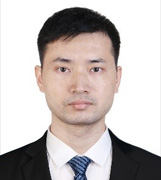
Dr. Yishu Zhang
Zhejiang University, China
Dr. Yishu Zhang is a researcher of the Science and Technology Hundred Talents Program of the School of Micro-Nano Electronics, Zhejiang University. He graduated from Jilin University with a bachelor's degree in Microelectronics in 2014. In 2019, he received a doctorate in engineering from the Singapore University of Technology and Design, and later served as a postdoctoral researcher at the National University of Singapore. During his Ph.D. study, he was engaged in neuromorphic computing research at Sungkyunkwan University in South Korea and the Institute of Information and Communications in Singapore. The main research directions include the design and development of brain-inspired smart chips based on new memristive devices and biocompatible biological smart electronic chips. During his doctoral period, he designed and developed biologically similar ultra-low power artificial neurons and synaptic devices, laying a solid foundation for the realization of large-scale artificial intelligence chips. Relevant results have been published in top international academic journals such as Nature Communications, Nano Letters, Small and Applied Physics Letters. In the Singapore Industrial Symposium, the research results have won several poster awards from internationally renowned semiconductor companies such as AMD, MediaTek and STMicroelectronics. In addition, he won the 2019 National Scholarship for Outstanding Self-Financed International Students.
Title: Brain-inspired Computing with Emerging Memristors: Opportunity and challenges
Abstract: As Moore’s law approaching the end, neuromorphic computation – brain inspired computation - has emerged as one of the most promising technologies to continue the advancement of computing systems as it shows great potentials of improving the computational efficiency over conventional von-Neumann based computing paradigms in terms of energy efficiency and cognitive capability, such as learning and decision making. Aiming at overcoming the fundamental issue of von Neumann bottleneck and realization of human-level intelligence ultimately, neuromorphic systems try to implement large-scale artificial neural network (ANN) on hardware by emulating of the functions of biological neurons and synapses –the basic building blocks of nervous system. To this end, developing highly scalable and energy-efficient artificial neurons and synapses with bio-plausible functions is critical but remains great challenges. However, conventional complementary metal-oxide-semiconductor (CMOS) devices with binary states and complicated auxiliary circuits, cannot accommodate such requirements due to energy and areal inefficiencies. The recent advances in memristive nano-devices has opened up new avenues for implementing large-scale full memristive neural networks (FMNN) comprising memristive neurons and synapses because of unique analogue properties.
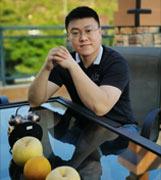
Dr. Jingfeng Zhang
University of Auckland, New Zealand
Jingfeng Zhang is tenured assistant professor at the University of Auckland, and also a scientist at the “Imperfect Information Learning Team’’ in RIKEN-AIP. He serves as guest lecturer at the University of Tokyo in 2022-2023 and serves as main lecturer at the University of Auckland, giving machine learning related courses.
He serves as an associate editor for IEEE Transactions on Artificial Intelligence. He is a long-standing reviewer for prestigious ML conferences such as ICLR, ICML, NeurIPS, etc. His long-term research interest is to build a secure and responsible ML environment.
Jingfeng is now PhD Accredited Supervisor at the University of Auckland, and actively seeking motivated individuals who are willing to pursue a PhD degree under Jingfeng’s supervision. Jingfeng is now interested in robust foundation models.
He obtained his Ph.D. degree at the School of Computing at the National University of Singapore. He was the PI of multiple grants, including “JST Strategic Basic Research Programs, ACT-X, FY2021-2023”, “JSPS Grants-in-Aid for Scientific Research (KAKENHI), Early-Career Scientists, FY2022-2023”, “RIKEN-Kyushu Univ Science & Technology Hub Collaborative Research Program, FY2022”, and was a recipient of the RIKEN Ohbu Award 2021 (50 recipients each year in all RIKEN's disciplines).
Title: Towards Robust Foundation Model: Adversarial Contrastive Learning
Abstract: Foundation models (e.g., Generated Pretrained Transformer (GPT), Stable Diffusion, CLIP, etc.) trained on the unlabeled data at scale that can be then adapted to a wide range of downstream tasks. However, on deployment in critical applications, foundation model are vulnerable to adversarial perturbations that negatively affect all downstream applications. Therefore, we need to develop robust foundation models. To this end, we study adversarial contrastive learning (ACL) that is fundamental machine learning algorithm to build robust foundation models.
First, we constructed a causal theoretical framework to formulate the ACL, which inspires to design a superior algorithm that achieves a new state-of-the-art robustness transferability. Furthermore, we built the RobustSSL benchmark https://robustssl.github.io that can objectively and comprehensively compare all existing ACL algorithms.
Second, we built an efficient ACL via Robustness-Aware Coreset Selection (RCS). We translate the RCS problem to (weak) submodular set optimization problem with cardinality constraint, in which the greed search is efficient and can also guarantee the optimality to some extent. In particular, with the RCS, we are the first to apply ACL on large-scale ImageNet dataset. Thus, we prove the concept of possibility of applying ACL on large-scale foundation models.
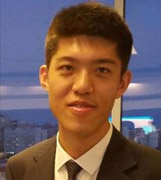
Ruiqi (Richie) Liu
Wireless Research Institute, ZTE Corporation, China
Ruiqi (Richie) Liu (S'14-M'20) received the B.S. and M.S. degree (with honors) in electronic engineering from the Department of Electronic Engineering, Tsinghua University in 2016 and 2019 respectively. He is now a master researcher in the wireless and computing research institute of ZTE Corporation, responsible for long-term research as well as standardization. His main research interests include reconfigurable intelligent surfaces, integrated sensing and communication and wireless positioning. He is the author or co-author of several books and book chapters. He has participated in national key research projects as the researcher or research lead. During his 3-year service at 3GPP from 2019 to 2022, he has authored and submitted more than 500 technical documents with over 100 of them approved, and he served as the co-rapporteur of the work item (WI) on NR RRM enhancement and the feature lead of multiple features. He currently serves as the Vice Chair of ISG RIS in the ETSI. He actively participates in organizing committees, technical sessions, tutorials, workshops, symposia and industry panels in IEEE conferences as the chair, organizer, moderator, panelist or invited speaker. He served as the guest editor for Digital Signal Processing and the lead guest editor for the special issue on 6G in IEEE OJCOMS. He serves as the Deputy Editor-in-Chief of IET Quantum Communication and the Editor of ITU Journal of Future and Evolving Technologies (ITU J-FET). He is the Standardization Officer for IEEE ComSoc ETI on reconfigurable intelligent surfaces (ETI-RIS) and the Standards Liaison Officer for IEEE ComSoc Signal Processing and Computing for Communications Technical Committee (SPCC-TC). His recent awards include the 2022 SPCC-TC Outstanding Service Award and the Beijing Science and Technology Invention Award (Second Prize, 2022).
Title: Reconfigurable intelligent surface enabled future network
Abstract: Recently, reconfigurable intelligent surfaces (RISs) are considered as a strong candidate for next generation wireless technologies, thanks to its advantage of being able to configure the wireless propagation environment in a cost-effective and energy-efficient way. Many literature study the theoretical aspects of RIS-assisted communication while prototyping and field trials are only starting to appear. A key step towards the standardization and commercialization of RISs is to complete comprehensive field trials in cellular networks, such as the 5th generation (5G) network. There are several typical deployment scenarios in 5G networks such as indoors, outdoors and mixed indoors and outdoors, where RISs can provide coverage to weak reception areas, enhance transmission robustness, fix coverage holes and increase the maximum available data rate. In this talk, a variety types of RIS prototypes are fabricated and tested with off-theshelf 5G user equipments (UEs) in 5G networks to validate the performance gain introduced by RISs to typical deployment scenarios of 5G at different working frequencies. Some system-level simulations are also conducted for several typical scenarios to be used as a baseline to compare to the trial results, where all parameters are selected according to 5G standards. The experimental results confirm the feasibility and effectiveness of RISs to solve coverage issues and improve received signal qualities in 5G networks across different frequency ranges. The potential standardization roadmap and future plans for RIS to become a vital component of 5G-Adv and 6G networks are also given.
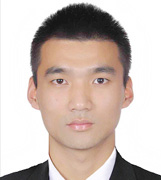
Dr. Xiaogang Wang
LIGHTSPEED STUDIOS, Singapore
Xiaogang Wang is a senior researcher in LIGHTSPEED STUDIOS, Singapore, where he focuses on applying computer vision techniques to design and generate 3D scenes. Before that, he was a senior engineer at Motional, Singapore, where he conducts BEV perceptions and HD map generation. Before joining Motional, he was a research fellow at National University of Singapore (NUS) from Oct. 2020 to Sep. 2021. Prior to that, he did his PhD in NUS from Aug. 2016 to Aug. 2020. He has published several top journals and conference papers, including IEEE TPAMI, CVPR, ICCV, etc. His research focuses on deep learning and computer vision, especially for 3D generation and reconstruction. He also serves as a reviewer for TPAMI, TNNLS, TVCG, TIP, RA-L, ICCV, ECCV, CVPR, IROS and ICRA.
Title: Advancing Point Cloud Processing: Novel Approaches to Upsampling, Completion, and Generation of 3D Data
Abstract: Point clouds is a fundamental representation of 3D objects, playing a crucial role in various applications such as computer vision, robotics, and computer graphics. This presentation shows advanced techniques for point cloud upsampling, completion, and generation, aiming to enhance the quality of point cloud data. The proposed methods leverage deep learning and novel network architectures to achieve SOTA performance in point cloud processing tasks. For upsampling, we introduce a technique that increases the density of point clouds while preserving the underlying geometric structure with evenly distributed points. In the completion task, we present methods that effectively reconstructs missing or occluded regions in the point cloud data, resulting in a more complete and accurate representation of the 3D object. Finally, for point cloud generation, we explore generative models that synthesize novel point clouds, enabling the exploration of new 3D object shapes and structures. Our experimental results demonstrate the effectiveness of these approaches and contribute to the advancement of point cloud processing and analysis.